

Psychology
The Real Reason Your New Year Goals Aren't Lasting
Most New Year goals don't fail because of effort. They fail because they start at zero, and zero feels heavier than it sounds.
Read noteOpen to work
I'm Kaustubh, a product thinker with a background in software engineering. I explore how technology, human behaviour, design, and business come together to shape products people choose to use.
My journey into product did not begin with a plan to become a product manager. It began with an interest in solving real problems.
I studied mechanical engineering, but found myself increasingly drawn towards technology.
Software felt immediate. It gave me a way to take a problem someone was facing today, build something, and place a possible solution in their hands.
That possibility led me into software development.
What I enjoyed most about development was not only making the code work. It was knowing that something I had built could become part of someone’s real experience.
There was a particular satisfaction in seeing an idea become usable: a person would encounter a problem, interact with what I had built, and hopefully move forward with less effort.
But building also introduced me to a different set of questions.
I began asking why I was writing a particular piece of code.
Would it genuinely help the user? Why had we chosen this solution? Why were people not using something we had already built?
The technical answer could explain whether a feature worked as intended. It could not always explain whether we had built the right thing.
My curiosity gradually moved beyond implementation. I wanted to understand the decisions that came before the code and the behaviour that followed it.
While working on the Flawless ecommerce theme, I was thinking about how people moved through an online store, what made them hesitate, and what helped them trust a product enough to buy it.
Around the same time, I was exploring Stoic philosophy as part of a personal journey. It made me more attentive to why people act as they do: what shapes a decision, what remains within our control, and how perception influences behaviour.
The two interests began to connect.
An ecommerce experience was no longer only a collection of pages and features. It was a sequence of human decisions. Every interaction could create clarity, uncertainty, confidence, or doubt.
I became increasingly interested in understanding those decisions.
I transitioned into a full-time product role at Flawless.
To develop my thinking, I began studying customer psychology, product development, and user behaviour. I learned to use data not only to measure activity, but to identify patterns and ask better questions about what users were experiencing.
My development background remained an important part of how I approached product work. It helped me understand technical possibilities, constraints, complexity, and the consequences of product decisions.
Customer psychology added another perspective: how people might interpret an experience, what could prevent them from acting, and which hypotheses were worth testing.
Product management became the place where those perspectives could work together.
I am continuing to learn about users beyond metrics and interfaces.
Anthropology and culture particularly interest me because products do not enter a neutral world. People bring different values, habits, expectations, and ways of interpreting trust to every experience.
A product that feels natural to one group may feel unfamiliar to another. I want to become better at recognising those differences and building with greater awareness of them.
Because of my experience in ecommerce, I am especially interested in how people discover products, develop trust, make decisions, and move from consideration to purchase.
More broadly, I am attracted to products that solve genuine human problems without creating hidden harm for the people using them.
I want to work with teams that care about what they build, question their assumptions, and measure success by more than whether a feature was shipped.
I started by learning how to build.
Product management is teaching me how to decide what deserves to be built, who it should serve, and why it should exist.
Essays on product strategy, the ethics of design, and the often messy reality of building software.
Most New Year goals don't fail because of effort. They fail because they start at zero, and zero feels heavier than it sounds.
Read note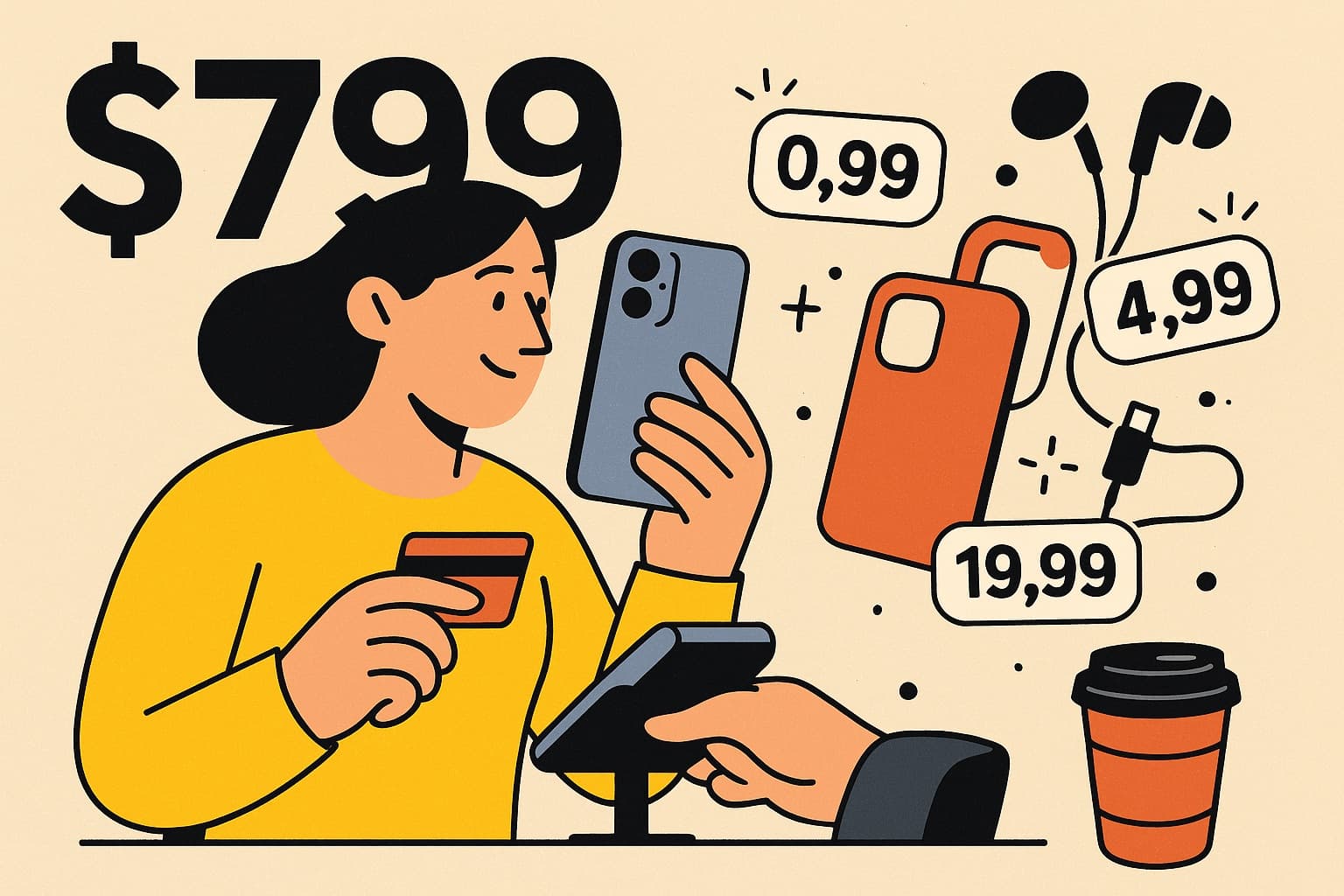
A ₹1500 screen protector feels like nothing next to a ₹30,000 phone, and like a lot next to a packet of biscuits. Your brain reads price in contrast, not in absolutes.
Read note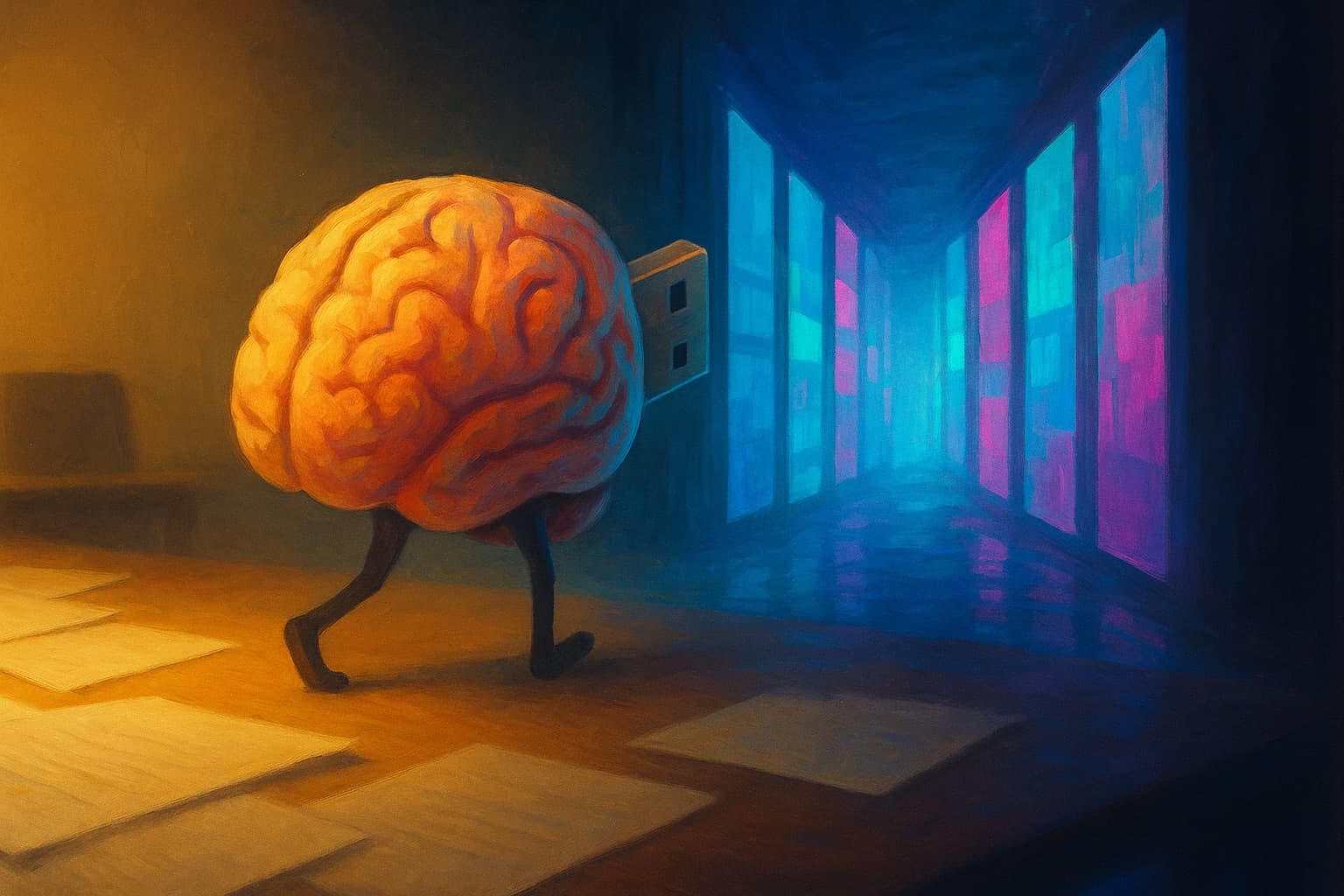
We've gone from sitting with an idea long enough to explain it, to not remembering the video we watched two seconds ago. What that trade costs, and how to train it back.
Read noteI’m interested in PM/APM roles, product conversations, and teams that care about customers and trade-offs.